If you love me,
see me when I am alive
On the moment I keep having at farewells, an idea I filed away in 2010, and what building MyEpitaph has taught me about holding grief, dignity, and cybersecurity in the same design.

I have said this to my closest people more than once. I mean it plainly. When I am dead, I do not want a viewing. I do not want anyone standing over me wondering if I look peaceful.
The face bothers me most. Makeup on someone who never wore it. Powder and blush arranged carefully by a stranger. It is meant as care, and I understand that. But it is not the face they knew, and it is not the face I would recognise as mine.
Every time I have said goodbye to a family member or a friend's family member, I find myself asking the same questions. Is this how they would have wanted to be sent off? What did they want to say that they never got to say? Did anyone know their WhatsApp password? Did they leave the folder of photos unlabeled? Did the funeral songs match the songs they actually loved, or the songs someone else assumed they would want?
An idea from 2010
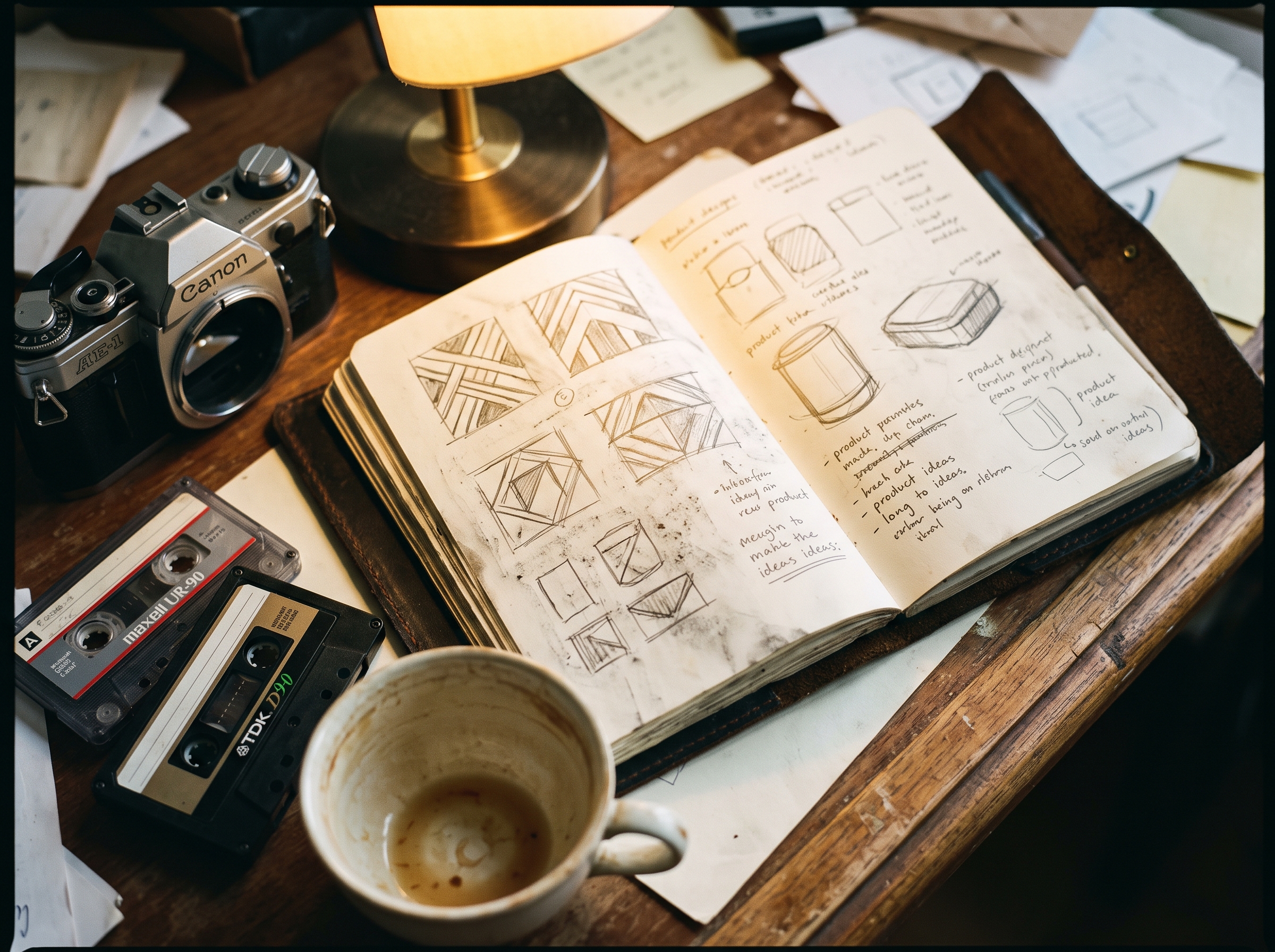
Back in 2010 I had an idea to 3D-print caskets. Custom shapes, custom finishes, made cheaply because you are printing on demand rather than storing a warehouse of them. I never did anything with it.
Around the same time, a friend in Vancouver told me he could not understand why caskets cost so much when they are used exactly once. Then buried, or burnt. He half-joked that we should rent them. It was a joke that made sense.
I filed both ideas away. They sat there for over a decade.
The Hong Kong pattern
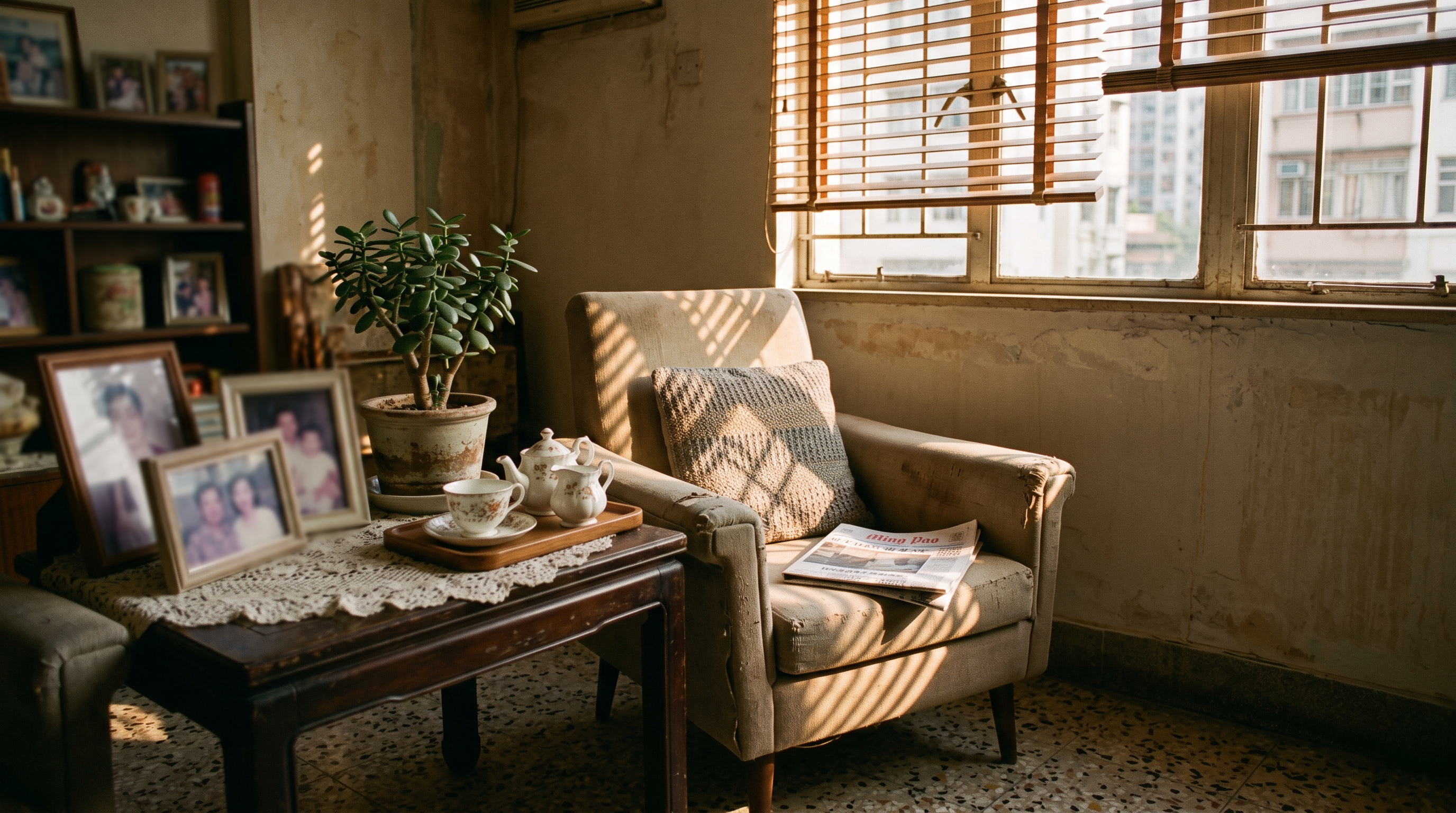
In Hong Kong, the older generation does not talk about death. It is not just the taboo around the word 死. It is a whole texture of avoidance — 4 being unlucky, no discussion of wills at Chinese New Year, no direct conversation about what someone might want when they are gone.
Meanwhile more younger people are facing death than a generation ago. Illness earlier. Accidents. Sudden losses. And when the older generation will not open that conversation, the younger generation is left with two options: force the conversation and be considered inappropriate, or carry it quietly and hope nothing happens.
Most people carry it quietly.
The workaround, I have noticed, is that people tell a trusted friend. “If anything happens to me, tell them this.” “Please make sure they play this song.” “The password to my Instagram is in a note on my laptop.” A friend becomes an ad hoc executor, holding fragments of your wishes that the family could not hear.
But a friend is not a system. Friends forget. Friends fall out of touch. Passwords change. The notes get deleted when you switch phones. Wishes get lost.
What I am building

MyEpitaph is an after-death preplanning platform. Not a will, not an insurance product — the preplanning layer that sits between those and the funeral itself.
Four things. First, secure epitaphs — the words you would want to leave, sealed until you are gone. Second, a vault and executor hub — the practical materials your family will need, and the person you have authorised to release them. Third, StillSpeaking AI — a way to leave messages that can respond to your family in your voice, on the events you name in advance. Fourth, the 3D memorial designer, the idea I filed away in 2010, now with eco-friendly casket options that vendors can preorder.
Everything is encrypted end-to-end. Nothing is released without the executor you named. You control what happens, when, and to whom.
What has surprised me
I deliberately designed the product to avoid legal complexity. The moment you try to be a will substitute or a legal instrument, the entire product becomes a legal minefield across every jurisdiction. So I stayed out of that lane on purpose.
But there is a lane you cannot avoid: the moment you touch passwords, posthumous message release, and third-party access after death, cybersecurity becomes the core of the product, not a feature. This has been an education I did not sign up for. Key management, executor authentication flows, secure vault design — I have learned more about protecting data in the last year than in a career of using it.
A year ago I would have told myself the hard part was the product itself.
It is not. The hard part is holding all of this at once — grief, dignity, security, cultural silence — in the same design.
Why I am telling you this

Two reasons. First, if this resonates — if you have ever thought about what you would want to say and to whom — I would like you to know a place is being built for it. There is a waitlist on myepitaph.tech.
Second, if you have watched something similar in your own family, or if you are one of the trusted friends holding fragments of someone else's wishes, I would like to hear about it. Message me. This product gets better when it is shaped by people who have lived the problem.
MyEpitaph is a way to say the things you might not get to say. In your voice. Not a made-up face.
Karen Lam
Founder, Wabi Tov Studio